 Vrats
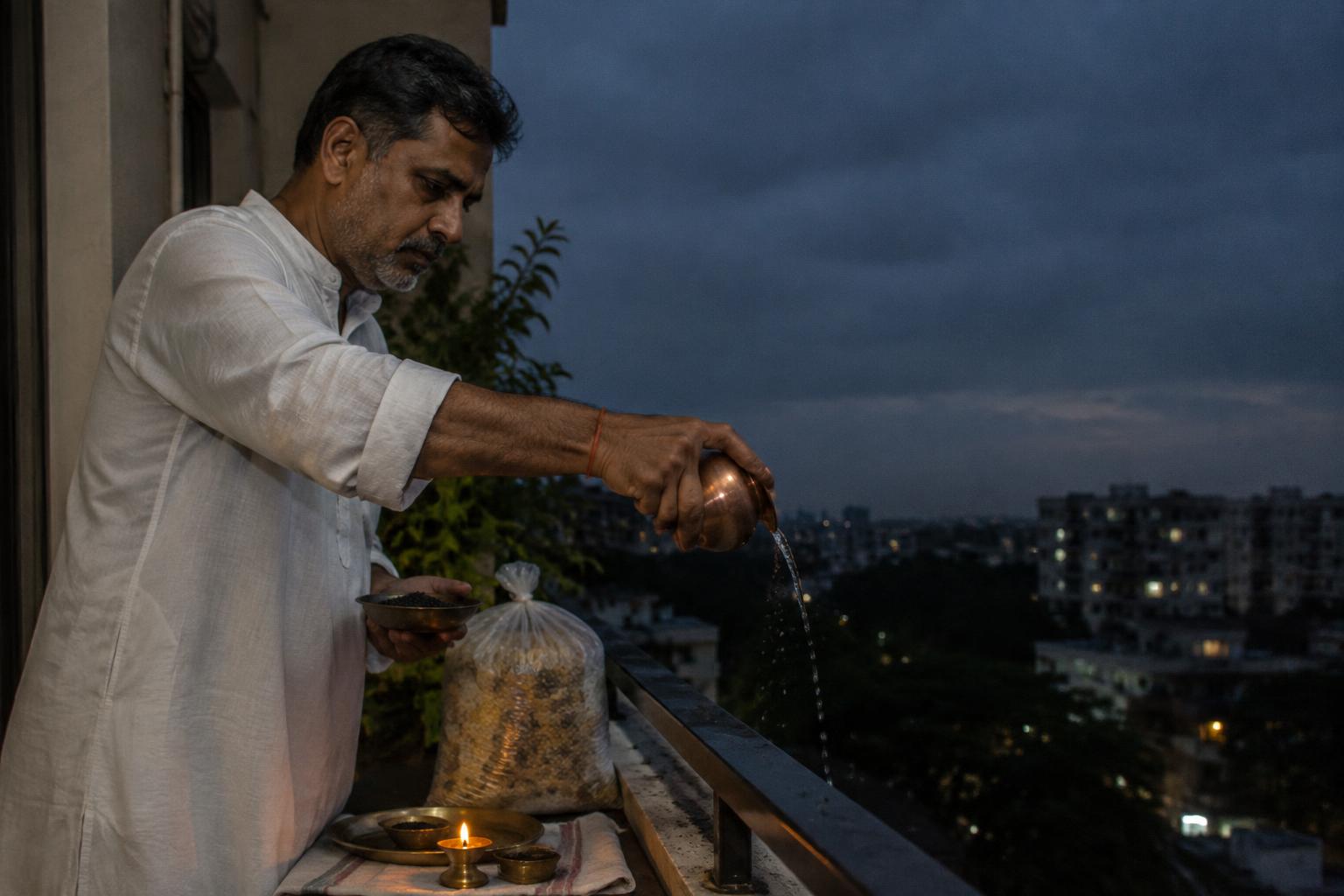
Amavasya Puja: What to Do, Tarpan and Charity
Amavasya (new moon) puja: what families do, tarpan for ancestors, charity, Somvati and Mauni Amavasya, and the samagri.
Read guidePanditji at your home across India, or live on video anywhere in the world. Book Panditji


Festivals
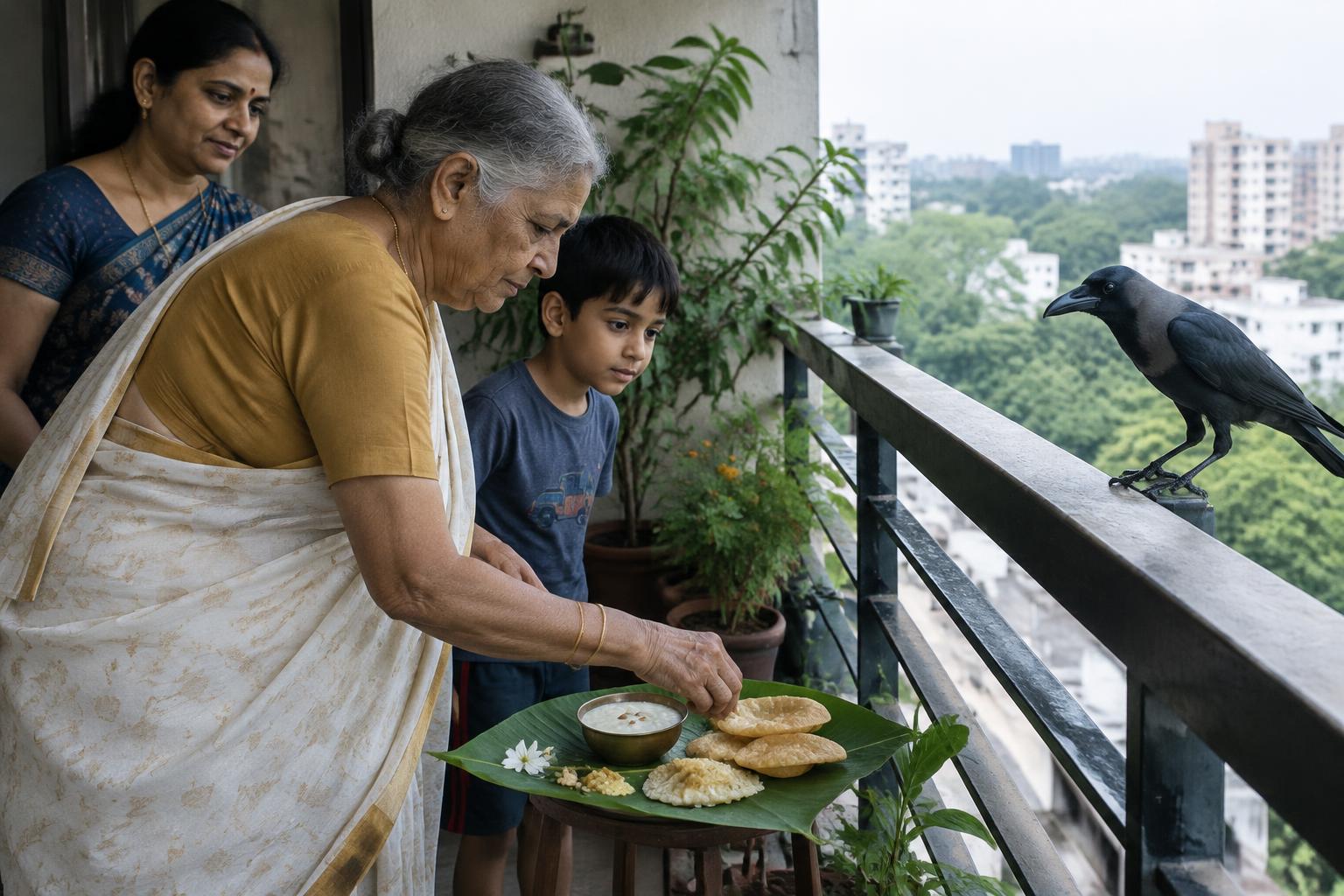
Pitru Paksha is the fortnight, during the dark half of Bhadrapada, when families remember and honour their ancestors with shradh, tarpan and charity. The shradh is done on the tithi on which the person passed away, or on Sarva Pitru Amavasya if the date is not known. Customs vary a great deal by region and family, so follow your family tradition and your Pandit Ji's guidance.
The shradh is done on the tithi (lunar date) of the death in the Pitru Paksha. If you do not know the tithi, or want to include all ancestors, many families do it on Sarva Pitru Amavasya. Your Pandit Ji can confirm the tithi from a panchang.
You can buy black sesame seeds, barley seeds, akshat, gangajal, desi ghee, honey, white cotton pooja cloth, white sandalwood powder and a copper bowl from our store. Kusha grass is best sourced from your Pandit Ji.
The details of the mantras and the order differ by tradition, so we recommend doing it with a Pandit Ji.
Book a Pandit Ji for Pitru Paksha puja at your home in Gurugram or Delhi, or by live video. For the first-year or annual shradh, see our sradham booking.
Black sesame, barley, kusha grass, rice, ghee, honey, gangajal, flowers, tulsi, diyas, and the food for the brahmin bhoj. The full list is above.
On the tithi of the death during Pitru Paksha, or on Sarva Pitru Amavasya if the tithi is not known.
Traditionally the eldest son or a male family member. Many families now involve all, and your Pandit Ji will advise as per your tradition.
The offering of water mixed with black sesame to the ancestors, with mantras, as a mark of remembrance and gratitude.
Yes. Many families abroad do it by live video with a pandit guiding the rites, while the family offers the items at their end. In person, we serve Gurugram and Delhi.
Pitru Paksha Puja with Pandit Ji
From ₹2,576
Book a Pandit JiVratsAmavasya (new moon) puja: what families do, tarpan for ancestors, charity, Somvati and Mauni Amavasya, and the samagri.
Read guide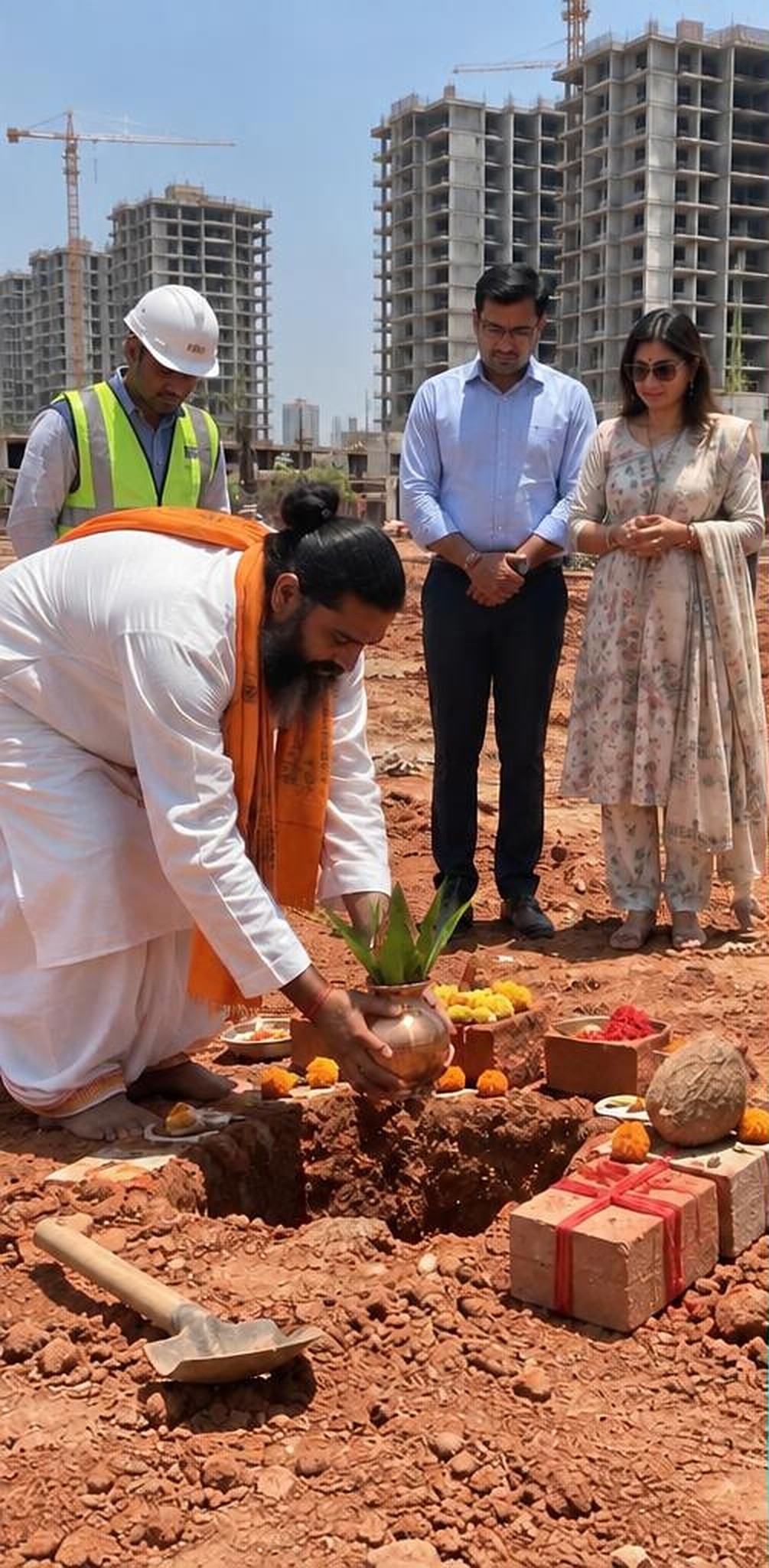 Festivals
भूमि पूजन सामग्री की पूरी लिस्ट, पूजन की विधि और नींव में रखी जाने वाली चीज़ें।
Read guide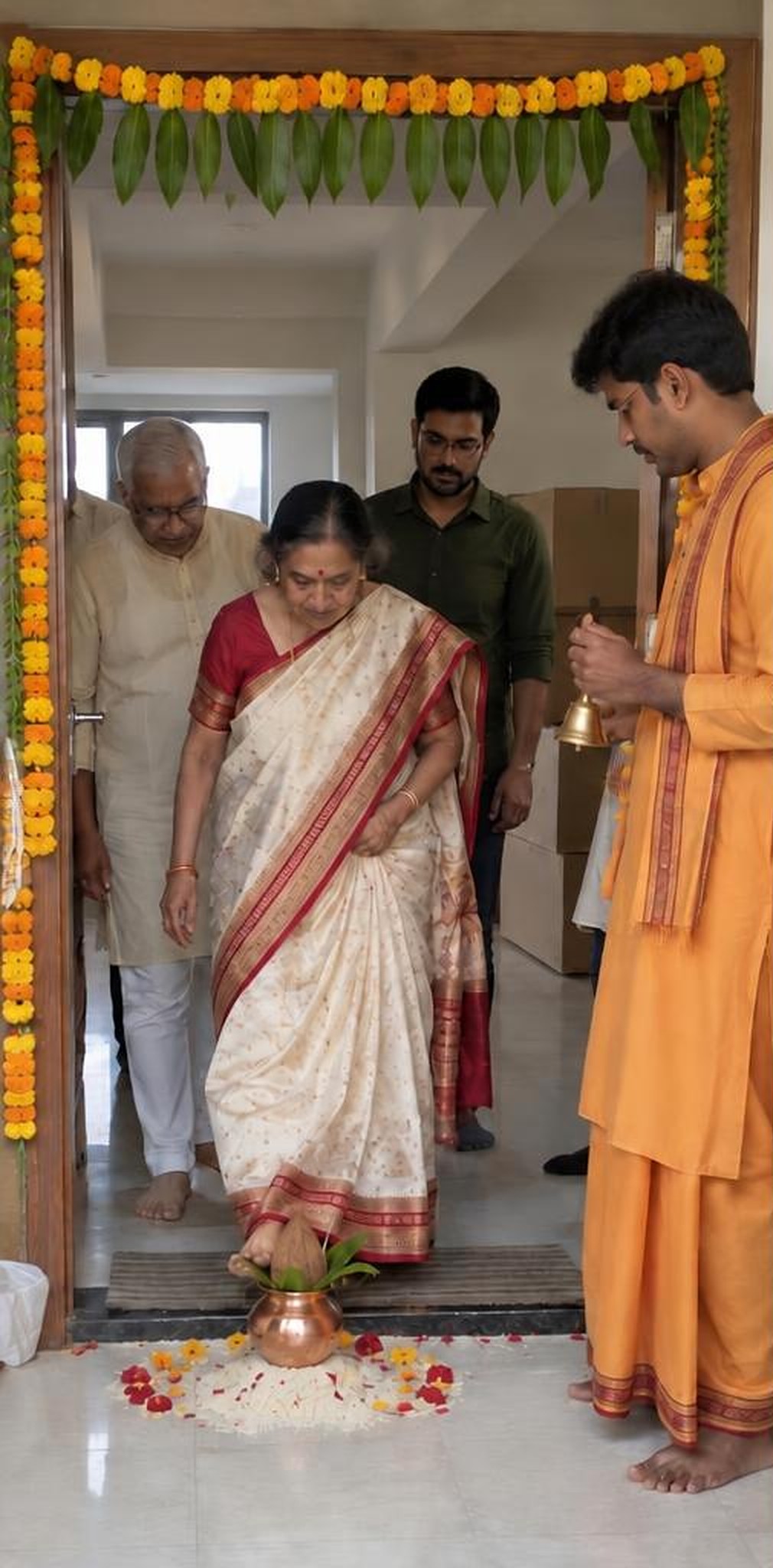 Festivals
गृह प्रवेश पूजा सामग्री लिस्ट, पूजा की विधि, कलश, हवन और दूध उबालने की रस्म।
Read guide