 Samagri & products
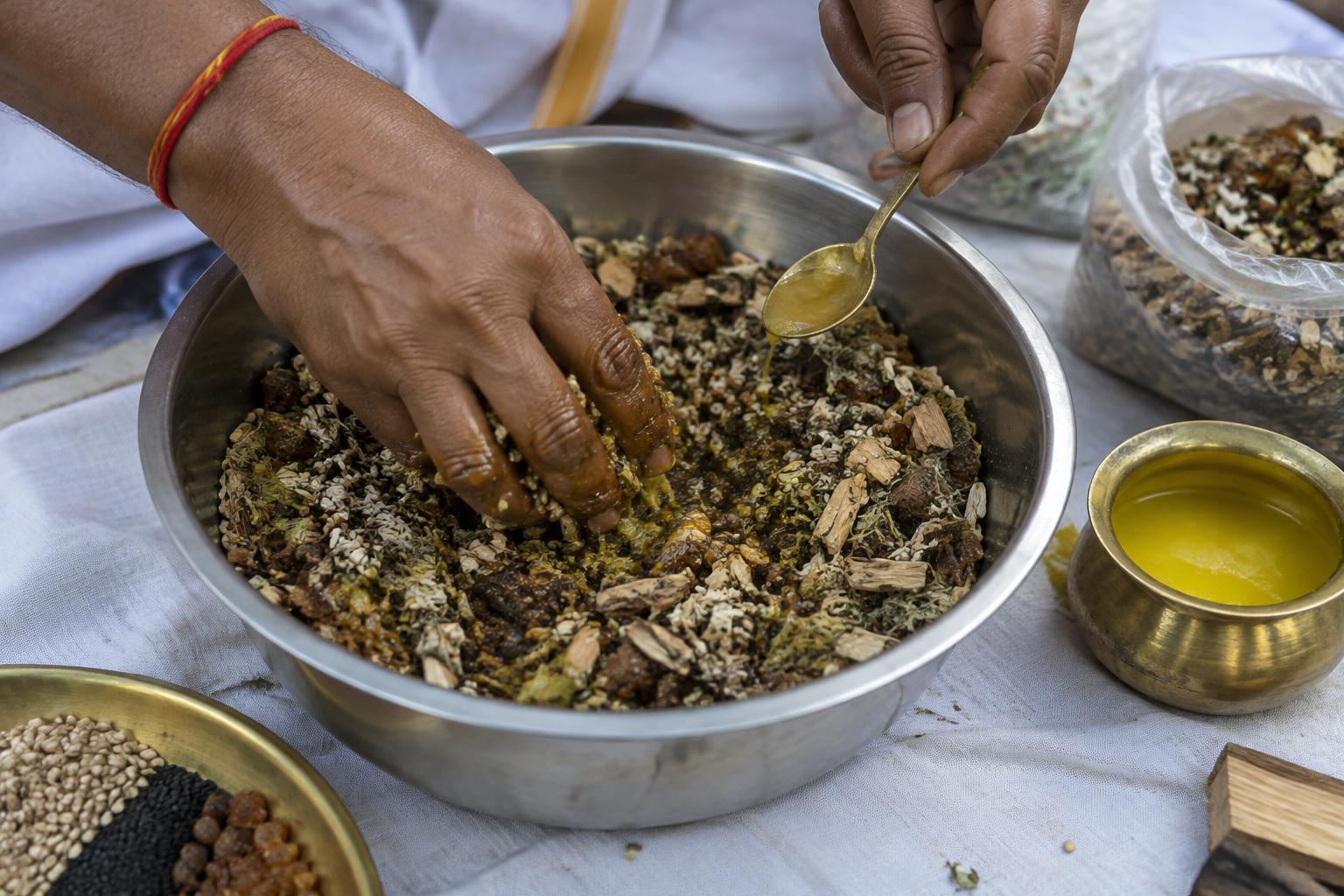
Hawan Samagri: What It Contains, How Much to Use and How to Use It
Hawan samagri explained: what it is made of, how much you need, how to offer it, and the other items needed for a havan.
Read guidePanditji at your home across India, or live on video anywhere in the world. Book Panditji

Samagri & products
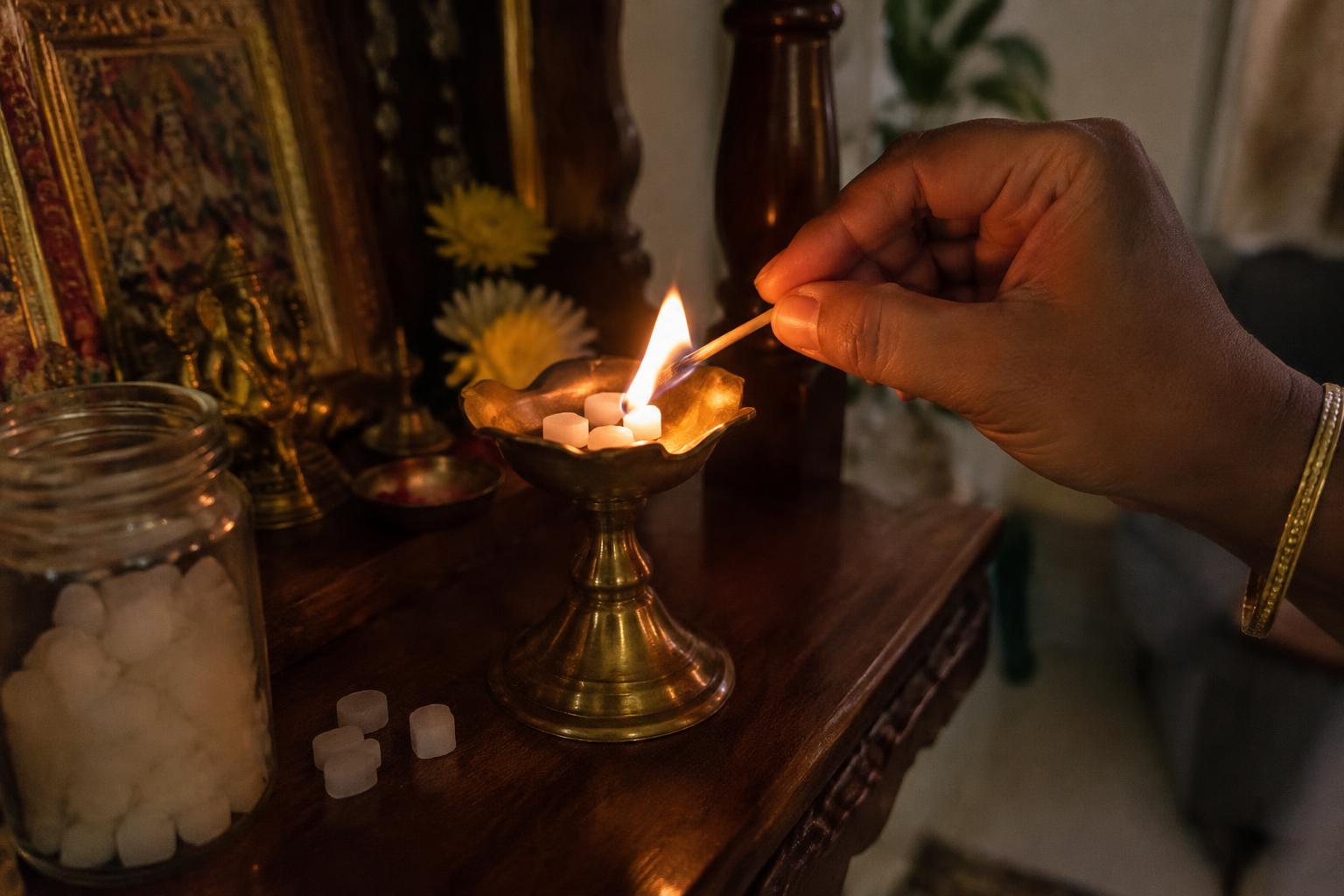
Camphor, or kapoor, is a waxy white substance that burns with a bright flame and leaves no ash. It is used in the aarti at the end of nearly every puja, as it symbolises the ego dissolving in devotion. This guide explains the types and how to use it.
Natural camphor, such as our Bhimseni camphor, is the choice of many families for puja. Check the label for the source and the purity.
See our guide on the aarti thali.
It burns completely without leaving a residue, which symbolises the dissolving of the ego in devotion.
Natural camphor is derived from the camphor tree, and synthetic camphor is made from chemicals. Many families prefer natural camphor for puja.
In an airtight container in a cool, dry place, as it evaporates in the open.
In a ventilated room, away from children. Do not use it in closed spaces for long.
Samagri & productsHawan samagri explained: what it is made of, how much you need, how to offer it, and the other items needed for a havan.
Read guide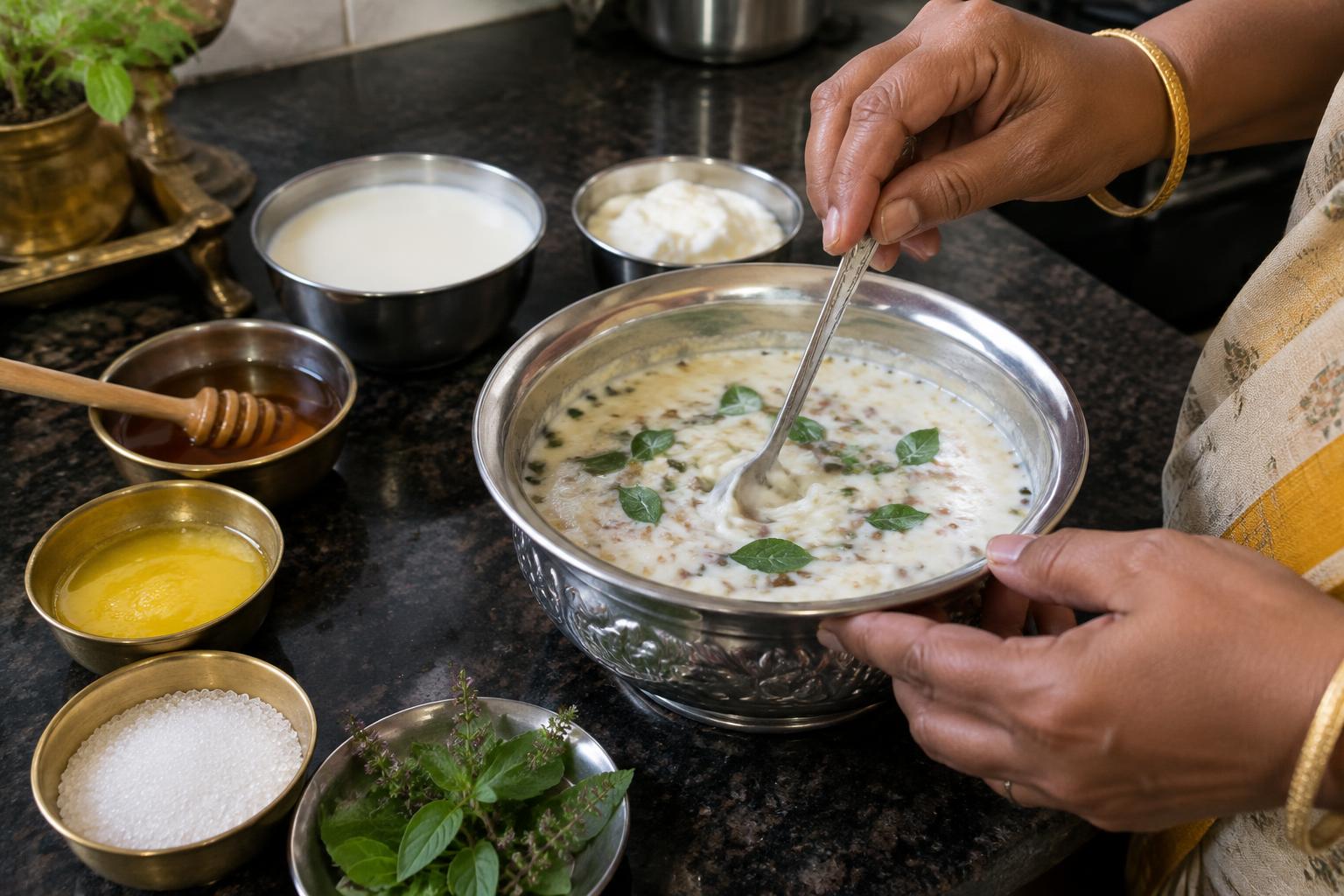 Samagri & products
Panchamrit recipe for puja: the five ingredients, quantities, the meaning, how it is used for abhishek and prasad.
Read guide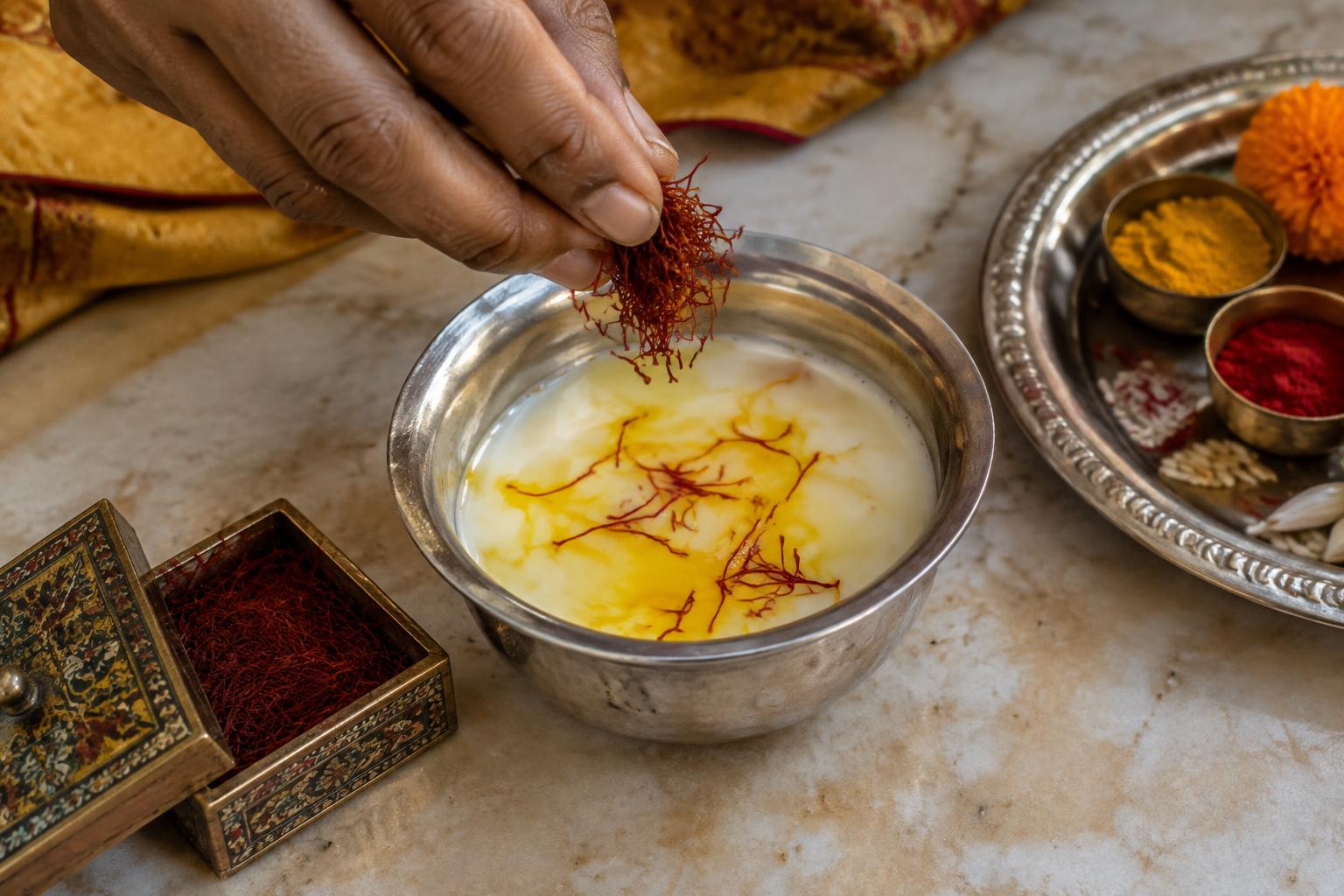 Samagri & products
Kesar for puja: where it is used, how to prepare it, and how to choose and store good saffron.
Read guide